
About Bitumen
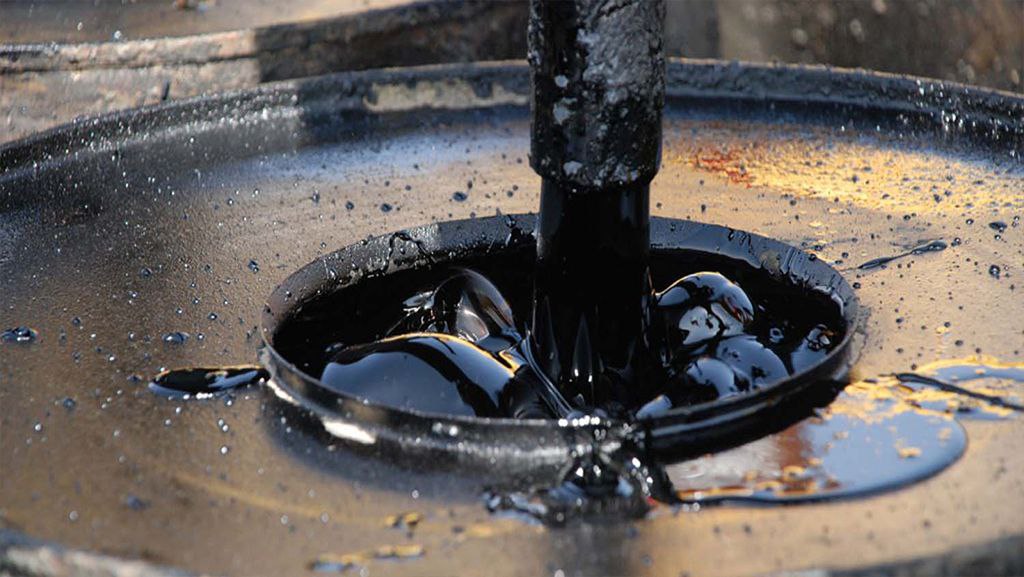
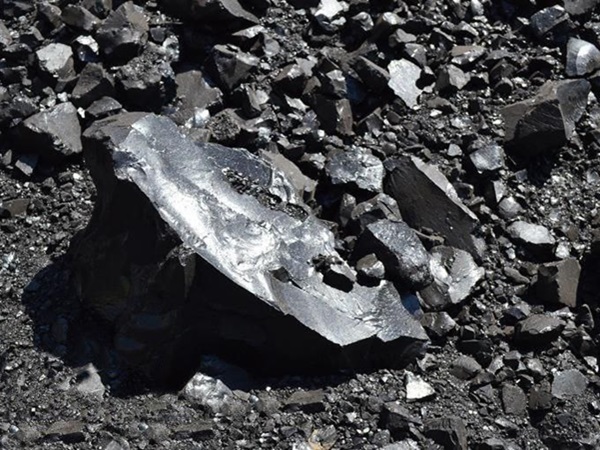
Bitumen is a black, viscous substance used for waterproofing and asphalt production. It comes in various types, each with specific applications. Bitumen is a derivative of petroleum and is a hydrocarbon material that ranges in color from black to dark brown. It dissolves completely in carbon disulfide and carbon tetrachloride. At room temperature, bitumen is solid; however, with an increase in temperature, it becomes malleable and then turns liquid.
The important applications of bitumen stem from two key properties:
Waterproofing: It is impermeable to water.
Adhesiveness: It has strong adhesive qualities.
Bitumen is typically obtained from the distillation of crude oil, referred to as petroleum bitumen or distilled bitumen. Petroleum bitumen is a product of the two-stage distillation of crude oil in a distillation tower. In the first stage, lighter materials such as gasoline and propane are separated from the crude oil. This process occurs at a pressure close to one atmosphere. In the second stage, heavier compounds like diesel and kerosene are extracted, conducted under near-vacuum conditions. Ultimately, a mixture of very fine solid particles known as asphaltenes remains, which is suspended in a viscous fluid called maltenes.
Some types of bitumen occur naturally as a result of the gradual transformation of crude oil and the evaporation of its volatile substances over many years. This type is referred to as natural bitumen and is more durable than petroleum bitumen. Natural bitumen can exist in pure forms (such as lake bitumen) like the Bitumen Lake in Behbahan, Iran, and the Pitch Lake in Trinidad, or it can be extracted from mines.
Petroleum Bitumen
Petroleum bitumens are solid and semi-solid forms directly obtained from crude oil distillation or through additional processes such as air blowing. Petroleum bitumen is the heavy residue left after the distillation of crude oil. The amount of bitumen obtained from crude oil can vary from zero to more than half of its volume. Additionally, bitumen derived from different sources can exhibit significant variations. Therefore, refineries producing bitumen must carefully select their crude oil to ensure the quality of the bitumen.
Direct Extraction of Bitumen from Crude Oil
Distillation is a fundamental process in the refining of crude oil. The first stage of distillation is performed under atmospheric pressure, typically involving heating the crude oil to temperatures between 650 and 800 degrees Fahrenheit and then injecting it into a separation column. This way, lighter fractions are collected as overhead products, while the remaining bitumen is referred to as atmospheric residue. This is the first step in the overall refining process. Many crude oils contain high percentages of fractions with high boiling points that cannot be separated in an atmospheric distillation unit. To isolate these fractions and produce bitumen with desired characteristics, a secondary separation tower operating under vacuum conditions is used.
The residue from this process is known as directly extracted bitumen. The asphalt production process through vacuum distillation has minimal impact on other properties of the bitumen, aside from its permeability. The origin of the crude oil used also significantly affects the physical properties of the extracted bitumen.
No comment