
Cement types (Portland cement) and their brief explanations
1) Ordinary Portland Cement (OPC):
– The most common and reliable cement type.
– Good early and final strength development.
– Used for general concrete, mortars, and standard construction.
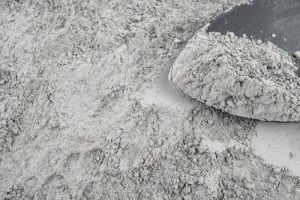 2) Portland Pozzolana Cement (PPC):
– Blends clinker with pozzolanic materials (e.g., fly ash, silo ash, natural pozzolans).
– Slower early strength gain but better long-term strength.
– More durable in aggressive environments (marine, acidic soils) and offers lower clinker content and reduced CO2 emissions.
3) Portland Pozzolana Cement with Active Lime (PFA) or Lime-activated Pozzolanic Cement:
– Clinker blended with pozzolanic materials and lime.
– Lower early strength but good long-term strength.
– Used in certain regional standards for specific applications.
4) Sulfate-Resistant Cement (SRC):
– Formulated to resist sulfate attack.
– Used in foundations, soils, or environments with high sulfate concentrations.
– Typically has a different clinker composition to improve sulfate resistance.
5) Water-Resistant / Durability-Oriented Portland Cement :
– Designed for very damp or underwater exposure.
– Enhanced water resistance and durability against aggressive conditions.
6) Special/Composite Portland Cements:
– Includes hybrid or specialty formulations aimed at reduced carbon footprint, higher early strength, high-temperature resistance, or other performance targets.
– Used for industrial applications, dams, tunnels, high-strength concrete, or projects with stringent durability requirements.
Key considerations when choosing a cement type:
– Environmental conditions: moisture, sulfates, chlorides, temperature.
– Desired early vs. long-term strength.
– Durability requirements and exposure conditions.
– Environmental impact: lower clinker content, use of pozzolanic materials, and CO2 considerations.
– Cost and local material availability.

No comment