
About Hydrocarbons
Hydrocarbons are chemical compounds that are primarily composed of two elements: carbon (C) and hydrogen (H). These compounds can exist in simple forms (such as methane, CH₄) or in complex forms (such as long carbon chains). Hydrocarbons are categorized into two main groups:
- Saturated Hydrocarbons (Alkanes): These consist solely of single carbon bonds, and their general formula is CₙH₂ₙ₊₂. Examples include methane (CH₄), ethane (C₂H₆), and propane (C₃H₈).
- Unsaturated Hydrocarbons (Alkenes and Alkynes): These contain double bonds (in Alkenes) or triple bonds (in Alkynes). For instance, ethylene (C₂H₄) and propyne (C₃H₄).
Applications of Hydrocarbons:
- Fuels: Hydrocarbons are utilized as fossil fuels (such as oil, natural gas, and coal). These fuels are employed in the generation of thermal and electrical energy, as well as in powering vehicles and airplanes.
- Chemical Industry: Hydrocarbons serve as raw materials for the production of plastics, chemicals, dyes, and pharmaceuticals.
- Everyday Products: Many everyday items, such as detergents, perfumes, and cosmetic products, are derived from hydrocarbons.
- Petrochemicals: Hydrocarbons are integral to the petrochemical industries, playing a key role in the production of various chemical and plastic products.
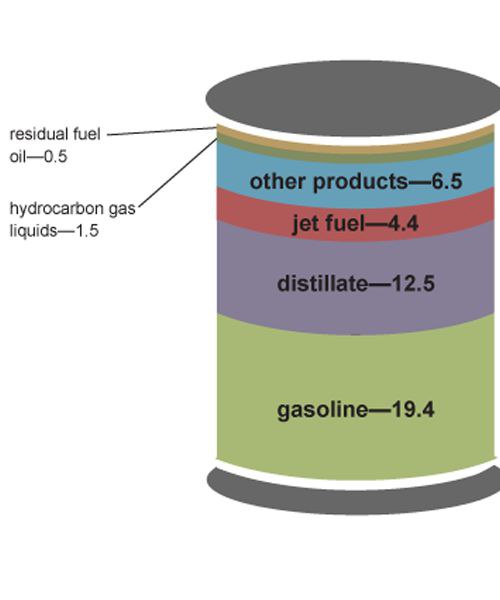
- Oil Refining: In the oil refining process, hydrocarbons are transformed into various products such as gasoline, diesel, and kerosene.
Overall, hydrocarbons are a fundamental component of energy resources and raw materials in various industries.



No comment