
About Rebar
Rebar, short for reinforcing bar, is a steel bar used as reinforcement in concrete structures. It is an essential component in construction, providing tensile strength and preventing cracking in concrete, which is weak in tension.
Here’s a breakdown of the key features and characteristics of rebar:
Production Process:
• Starting Material: Rebar is typically made from steel, often produced from recycled scrap metal.
• Rolling: Molten steel is poured into molds to form billets, which are then heated and rolled into long, cylindrical bars.
• Deformation: Depending on the desired properties, the bars can undergo further deformation processes, such as:
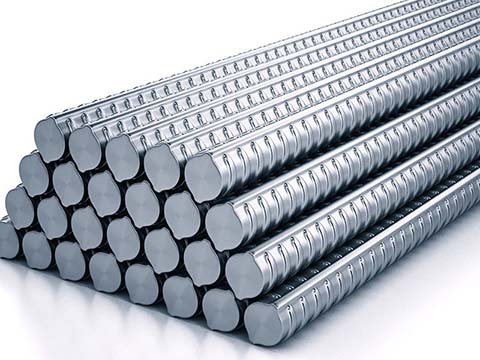
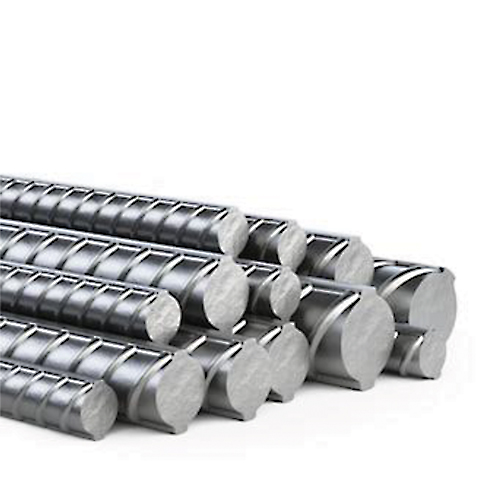
* Ribbing: Adding raised ribs or deformations to the surface, enhancing bond strength with concrete.
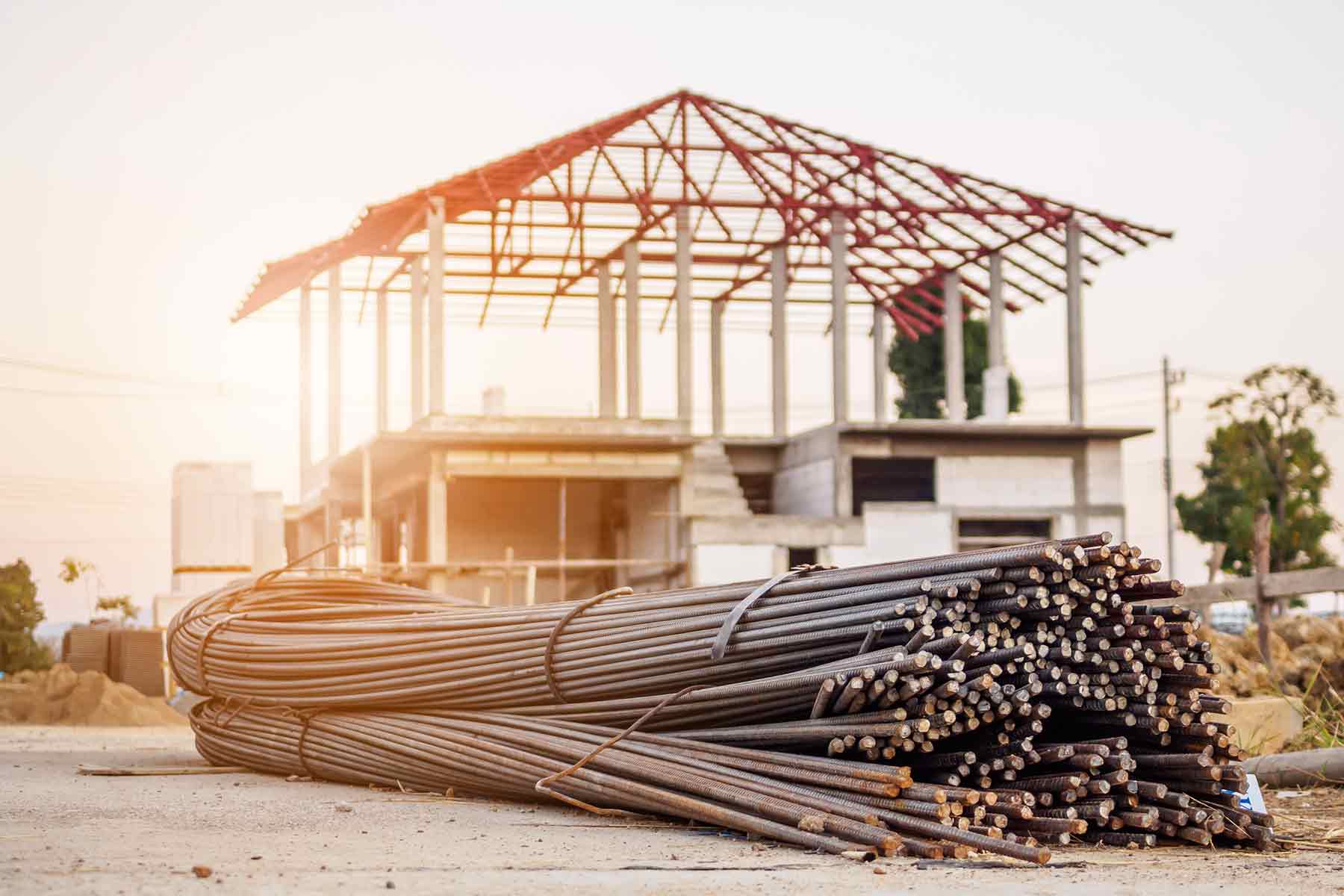
* Coiling: Bending or coiling the bars to create specific shapes for different applications.
Key Properties:
• Material: Rebar is usually made from carbon steel, sometimes with additional alloying elements for enhanced strength or corrosion resistance.
• Strength: Rebar is characterized by its high tensile strength, meaning it can withstand significant pulling forces without breaking.
• Ductility: Rebar is also ductile, meaning it can deform significantly under stress before failure, allowing for flexibility and absorbing energy during structural loads.
• Corrosion Resistance: Some rebar types are coated or treated to enhance corrosion resistance in harsh environments.
Types and Grades:
• Based on Steel Grade: Rebar is classified into different grades based on its yield strength, ranging from Grade 40 to Grade 80.
• Based on Shape: Rebar can be found in different shapes, including:
* Round: The most common shape, often ribbed for better bond strength.
* Square: Used in specific applications where higher tensile strength is required.
* Deformed: Bars with various patterns and deformations to enhance bond strength.
• Based on Coating: Rebar can be coated for added corrosion resistance:
* Epoxy-coated: Provides a protective layer against corrosion, commonly used in harsh environments.
* Galvanized: Zinc coating for better corrosion resistance.
Applications:
• Construction: Rebar is extensively used in concrete structures to:
* Strengthen concrete slabs, beams, columns, and foundations.
* Prevent cracking and increase the overall structural integrity of buildings, bridges, and other constructions.
• Precast Concrete: Rebar is used in the production of precast concrete elements like walls, beams, and slabs.
• Other Applications: Rebar is also found in:
* Retaining walls: Fortifying and supporting slopes and earth embankments.
* Underground structures: Reinforcing tunnels and underground shelters.
* Infrastructure projects: Reinforcing bridges, dams, and other infrastructure projects.
In summary: Rebar is a fundamental material in construction, providing essential tensile strength and preventing cracking in concrete. Its various grades, shapes, and coatings offer solutions for a wide range of structural applications, ensuring the safety and durability of concrete structures.
No comment