
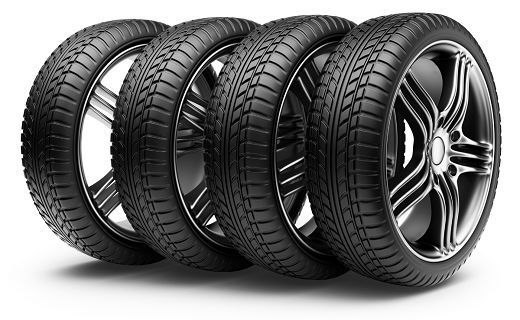
1. Passenger Tires:
– Summer Tires: Designed for dry and wet conditions, they offer good grip and handling characteristics.
– Winter Tires: Specifically designed for snowy and icy conditions, featuring unique tread patterns for improved traction in cold weather.
– All-Season Tires: A combination of summer and winter tire features, suitable for use in all seasons.
2. SUV and Truck Tires:
– Typically have a more robust construction, suitable for off-road driving and rugged conditions.
3. Bicycle Tires:
– Various types exist for bicycles, including narrow tires for road bikes and wider tires for mountain bikes.
4. Industrial Tires:
– Designed for heavy machinery and industrial equipment, capable of withstanding heavy loads.
5. Racing Tires:
– Specifically designed for high performance in racing, usually with less tread to provide maximum grip on the track.
### Tire Sizes
Tire sizes are usually represented in a format like 205/55 R16, which consists of several components:
1. Tire Width (205): The width of the tire in millimeters.
2. Aspect Ratio (55): The height-to-width ratio expressed as a percentage.
3. Construction Type (R): Indicates the type of construction, with “R” meaning radial.
4. Rim Diameter (16): The diameter of the rim in inches.
### Practical Applications
– Safety: Tires significantly affect the safety of a vehicle. Their condition and type can impact braking and traction under various road conditions.
– Traction and Control: Choosing the right tire based on road type and weather conditions (rain, snow, etc.) is essential for optimal performance.
– Fuel Efficiency: Tires can influence fuel consumption. Some tires are designed with features that can help reduce fuel consumption.
By selecting the appropriate tires, you can enhance the safety, comfort, and efficiency of your vehicle.



No comment