
The explanation about halal slaughterhouses for beef and sheep and the import of meat from countries around the world
1) What is a halal industrial slaughterhouse?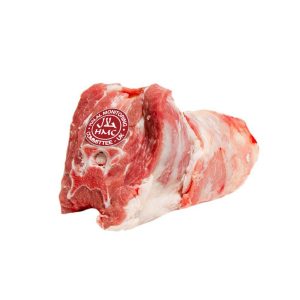
– It is a slaughterhouse where beef and sheep meat are produced in accordance with Islamic halal principles.
– Halal principles include:
– Slaughtering the animal in the name of God and using a method that complies with Islamic jurisprudence.
– Humane treatment to minimize pain and suffering, and rapid stunning/slaughter.
– Avoiding meat from dead animals (carrion), proper drainage of blood, and preventing contact of meat with impure substances during processing.
– Compliance with hygiene and biosafety standards to reduce diseases and contamination.
2) Main stages of the halal process in industrial slaughterhouses
– Procurement and inspection of livestock:
– Animals are healthy and meet sanitary standards.
– In some countries, traceability systems and annual health certificates are used.
– Slaughter:
– Performed by a Muslim slaughterer who mentions the name of God.
– Sharp, clean tools and efficient handling to reduce pain.
– Quick processing to ensure rapid animal drainage.
– Post-slaughter operations:
– Proper blood drainage and quick separation of meat from blood.
– Halal processing and packaging with precise labeling, informing origin and slaughter method.
– Quality control and standards:
– Adherence to hygiene standards such as HACCP and related ISO standards.
– Regular sanitary inspections and halal certification from a credible religious authority or halāl scholar.
3) Differences between halal slaughterhouses and other slaughterhouses
– Main goal: produce halal meat while complying with religious rulings alongside food safety and hygiene.
– Slaughter method and the declaration by the slaughterer, together with health standards.
– Labeling and source transparency (country of origin, farm, slaughterhouse) for Muslim consumers.
4) Importing halal meat from countries around the world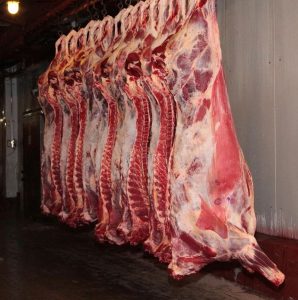
– Reasons for importing:
– Market demand for halal-labeled meat, seasonal supply gaps, or competitive pricing.
– Challenges and requirements:
– Compliance with sanitary standards and halal certification issued by recognized international or domestic authorities.
– Compliance with destination country laws on animal health, veterinary permits, and testing for diseases.
– Transparency in tracing the meat’s source (farm code, slaughterhouse, production date, slaughter date).
– Steps for importing:
– Obtain valid halal certification from a responsible religious authority in the country of origin.
– Health certificates and labeling lists issued by the veterinary or health/agriculture ministry.
– Customs inspections, sampling, and microbiological/quality tests at origin and destination.
– Presence or assignment of a legal representative to verify halal and sanitary compliance at the destination.
– Countries typically importing halal meat:
– Countries with halal slaughterhouses meeting strong religious and sanitary standards, such as some Gulf Arab states, Turkey, some East Asian and European countries.
– Note that standards vary by country and even by slaughterhouse, so a valid halal certificate from a recognized religious authority or halal organization in that country should be obtained.
5) Practical tips for consumers and businesses
– For Muslim consumers:
– Check labeling and the presence of a valid halal certificate from a recognized authority.
– Ensure meat comes from a slaughterhouse that adheres to halal slaughter practices and hygiene.
– For importers and producers:
– Work with reputable halal organizations to obtain halal and health certifications.
– Ensure cold chain integrity and traceability from source to end consumer.
– Ensure quality insurance and compliance with food safety standards (HACCP, ISO 22000 or equivalents).
6) Future trends and general recommendations
– Increasing transparency in the supply chain and publishing inspection reports related to halal and health checks.
– Standardizing between countries to simplify and increase trust in the import process.
– Strengthening digital tracking systems to meet halal and health standards across all stages.
No comment