
About Dri sludge
DRI sludge is a by-product generated during the production of direct reduced iron (DRI). It is a mixture of fine iron particles, dust, and other materials, typically containing a significant amount of iron oxide.
Here’s a breakdown of the key features and characteristics of DRI sludge:
Production Process:
• Source: DRI sludge originates from various stages of the DRI production process, including:
* Dust collectors: Fine iron particles and dust are collected from the off-gas streams.
* Cooling and handling systems: Residual materials from the cooling and handling of DRI.
* Other processes: Sludge can also be generated from cleaning and maintenance operations in the DRI plant.
• Composition: The composition of DRI sludge varies depending on the specific DRI process and the raw materials used. It typically consists of:
* Iron oxides (FeO, Fe2O3, Fe3O4)
* Unreduced iron particles
* Silica (SiO2)
* Alumina (Al2O3)
* Carbon (C)
* Other impurities
Key Properties:
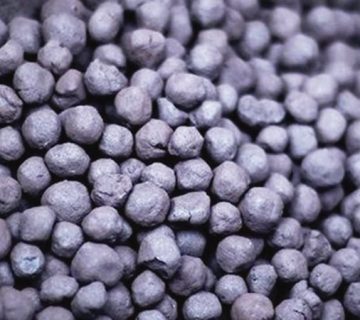
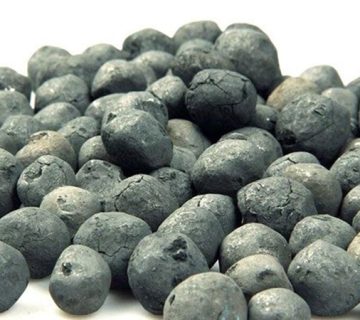
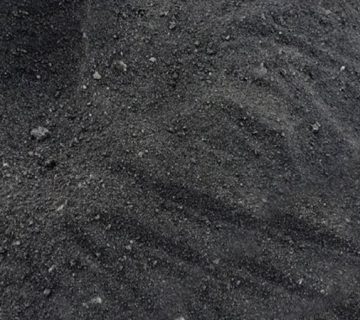
• Appearance: DRI sludge typically appears as a dark, fine-grained, moist material with a characteristic iron-like smell.
• Moisture content: The sludge usually has a high moisture content, which can vary depending on the handling and storage conditions.
• Iron content: While DRI sludge contains a significant amount of iron, it is often not directly suitable for steelmaking due to the presence of impurities.
• Reactivity: The iron oxides in DRI sludge are often reactive, potentially leading to environmental issues if not properly managed.
Challenges and Management:
• Environmental concerns: DRI sludge can pose environmental risks if not handled and disposed of properly. The iron oxides can leach into water bodies, potentially affecting water quality.
• Resource recovery: Due to the iron content, DRI sludge presents a potential resource for iron recovery. However, processing it to extract iron can be complex and costly.
• Waste disposal: Improper disposal of DRI sludge can lead to pollution and land degradation.
Potential Uses and Applications:
• Iron recovery: DRI sludge can be processed to recover iron using various methods, including:
* Magnetic separation: Removing iron particles using magnetic separators.
* Pyrometallurgical processes: Re-melting the sludge to extract iron.
* Hydrometallurgical processes: Leaching iron from the sludge using chemical solutions.
• Construction materials: DRI sludge can be used in the production of cement and other construction materials after appropriate processing and treatment.
• Landfill: In some cases, DRI sludge can be disposed of in landfills after proper stabilization and treatment to minimize environmental risks.
In summary: DRI sludge is a by-product of the DRI production process, posing both environmental and resource recovery challenges. While it contains valuable iron, its processing and management require careful consideration. Effective handling and disposal methods are essential to minimize environmental impact and maximize resource utilization.


No comment