
About sponge iron (DRI)
Hot sponge iron (DRI) is a partially reduced iron product, meaning it has been processed from iron ore but not fully melted into molten iron. It is a direct reduced iron (DRI) product, meaning it is produced directly from iron ore without going through the traditional blast furnace process.
Here’s a breakdown of the key features and characteristics of hot sponge iron:
Production Process:
• DRI is produced using a variety of reduction processes, such as:
* Shaft furnace: This is the most common method, using a tall furnace where iron ore is exposed to reducing gases (like natural gas) at high temperatures.
* Rotary kiln: This process involves rotating a cylindrical kiln where iron ore is reduced in a similar way.
* Fluidized bed: This method uses a bed of iron ore particles suspended in a gas stream for reduction.
Key Properties:
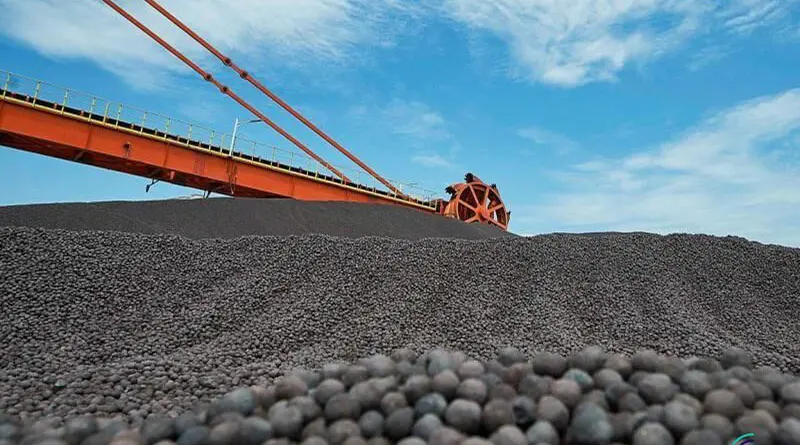
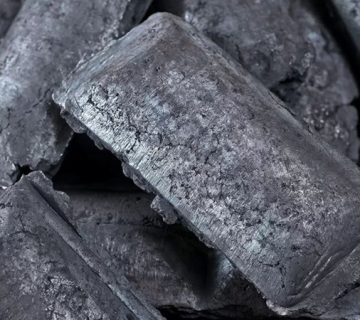
• Appearance: DRI typically comes in the form of porous, irregular-shaped pieces with a metallic gray color.
• Composition: DRI contains iron, along with small amounts of other elements like carbon, oxygen, and silicon.
• Porosity: DRI has a high porosity, meaning it has many small holes and spaces. This allows for efficient reduction during processing and helps in its use in steelmaking.
• Temperature: As the name suggests, hot sponge iron is produced at a high temperature, typically above 800°C.
Advantages:
• High iron content: DRI has a higher iron content than traditional iron ore, making it a more efficient feedstock for steelmaking.
• Low energy consumption: DRI production is more energy-efficient than the blast furnace process.
• Flexibility: DRI can be used in various steelmaking processes, including electric arc furnaces (EAF) and basic oxygen furnaces (BOF).
• Reduced emissions: DRI production generates fewer greenhouse gas emissions compared to traditional iron production methods.
Disadvantages:
• Higher cost: DRI is generally more expensive to produce than traditional iron ore.
• Sensitivity: DRI is more sensitive to oxidation than molten iron, requiring careful handling and storage.
Applications:
• Steelmaking: DRI is a key feedstock for steel production, particularly in EAFs. It is used to produce various steel grades, including carbon steel, stainless steel, and special steels.
• Iron powder production: DRI can be used to produce iron powder for applications like powder metallurgy and welding.
• Other industries: DRI is also used in the automotive, construction, and manufacturing industries.
In summary: Hot sponge iron (DRI) is a valuable direct reduced iron product that offers various advantages over traditional iron production methods. Its high iron content, energy efficiency, flexibility, and reduced emissions make it a key material for the modern steelmaking industry.




No comment